
Cardiology

Cardiology is the medical specialty dedicated to the study and treatment of the heart and circulatory system. Cardiologists, experts in this field, focus on diagnosing and managing various cardiovascular conditions, ranging from common issues like hypertension and coronary artery disease to more complex conditions such as heart failure and arrhythmias.
The field of cardiology encompasses a wide range of diagnostic techniques, including electrocardiograms (ECGs or EKGs), echocardiograms, stress tests, and cardiac catheterizations. These tools help cardiologists assess heart function, identify abnormalities, and formulate personalized treatment plans.
Preventive cardiology is a key aspect, emphasizing lifestyle modifications and risk factor management to prevent heart disease. Cardiologists also play a crucial role in acute care settings, responding to emergencies such as heart attacks and providing interventions like angioplasty or stent placement.
ECG
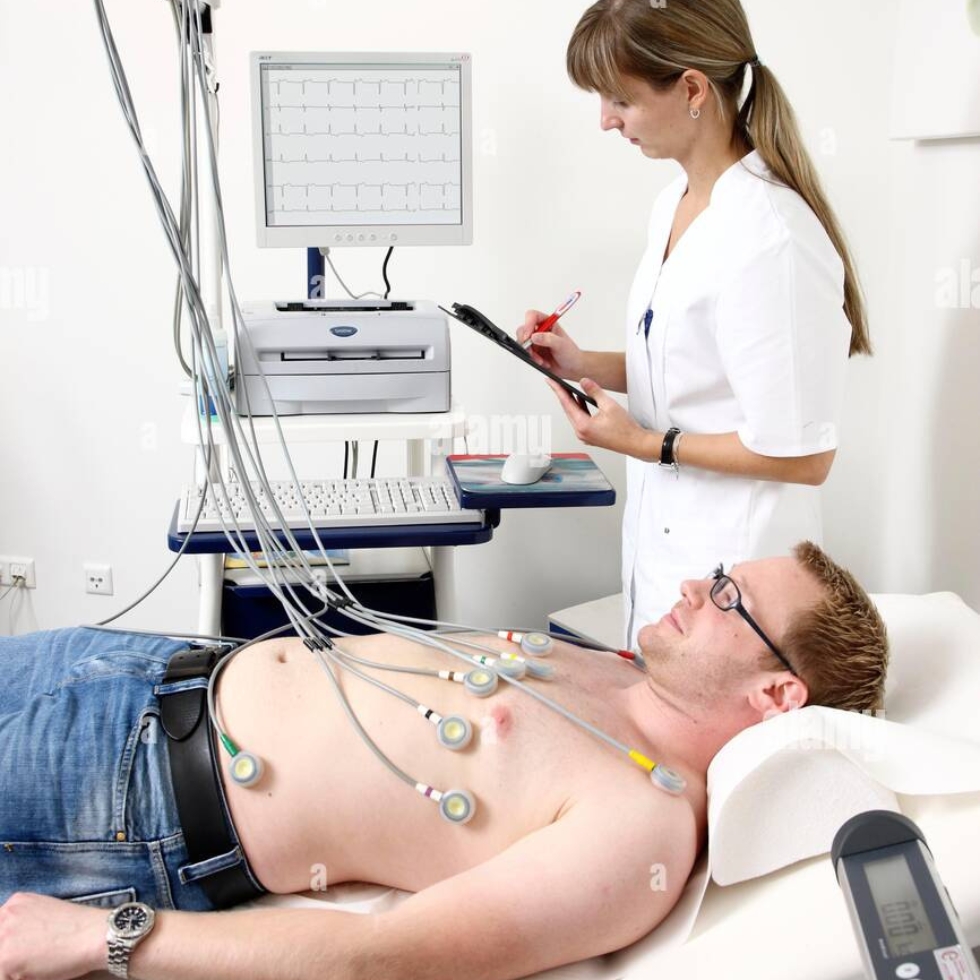
Electrocardiogram (ECG or EKG) is a fundamental diagnostic tool in cardiology that records the electrical activity of the heart over a specific period. This non-invasive test involves attaching electrodes to the skin, typically on the chest, limbs, and sometimes the precordial area. The electrodes detect and transmit the electrical impulses generated by the heart, creating a visual representation known as an ECG tracing.
The ECG provides valuable information about the heart’s rhythm, rate, and overall electrical conduction. It is a crucial tool for diagnosing various cardiac conditions, including arrhythmias, myocardial infarction (heart attack), and conduction abnormalities.
Each wave and interval on the ECG tracing correspond to a specific phase of the cardiac cycle. The P wave represents atrial depolarization, the QRS complex indicates ventricular depolarization, and the T wave signifies ventricular repolarization. Analyzing these components allows healthcare professionals to assess the heart’s health and identify potential abnormalities.
Stress Test
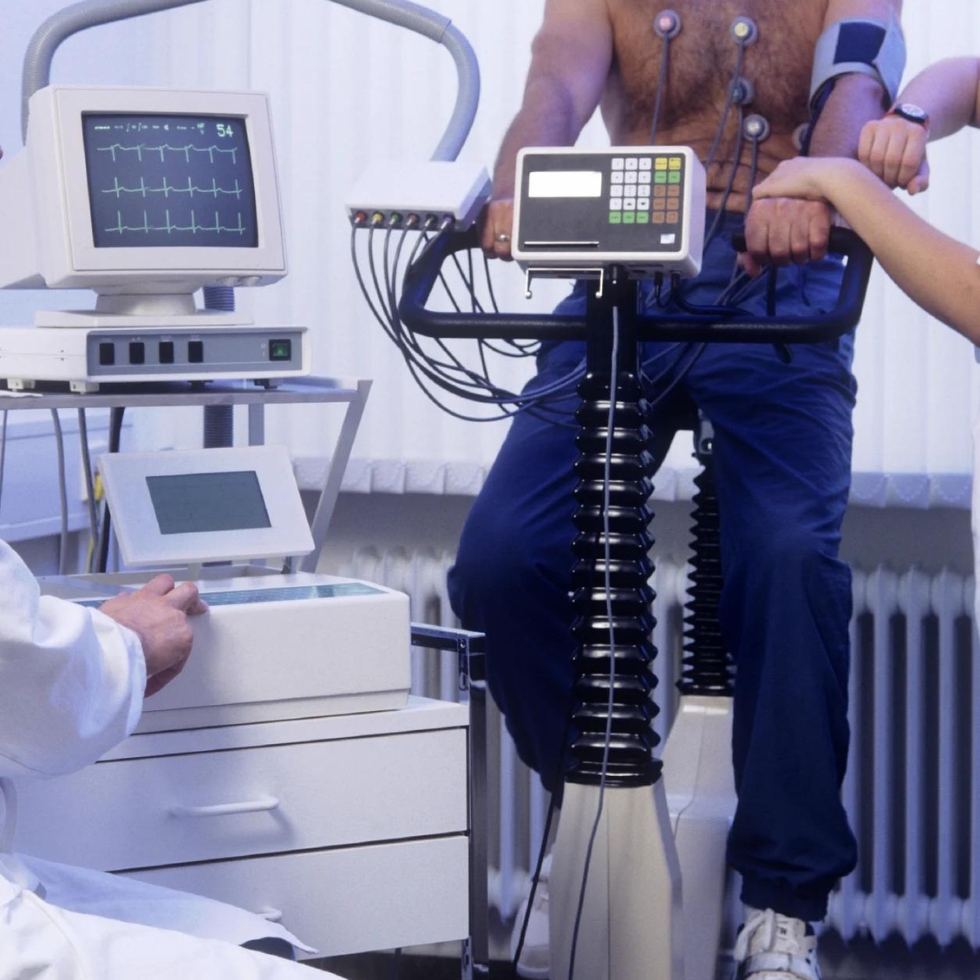
A stress test, also known as an exercise test or treadmill test, is a diagnostic tool in cardiology used to assess the cardiovascular system’s response to physical exertion. The test involves monitoring the heart’s activity, typically through an electrocardiogram (ECG or EKG), while the patient exercises on a treadmill or stationary bike.
During the stress test, the intensity of exercise gradually increases, placing additional demands on the heart. This allows healthcare professionals to evaluate how well the heart responds to stress and identify potential issues such as reduced blood flow to the heart muscle, irregular heart rhythms, or other abnormalities.
Stress tests are instrumental in diagnosing coronary artery disease, evaluating symptoms like chest pain or shortness of breath, and assessing overall cardiac function. The results help cardiologists determine the appropriate course of action, whether it be lifestyle modifications, medication, or further diagnostic tests.
2D Echo
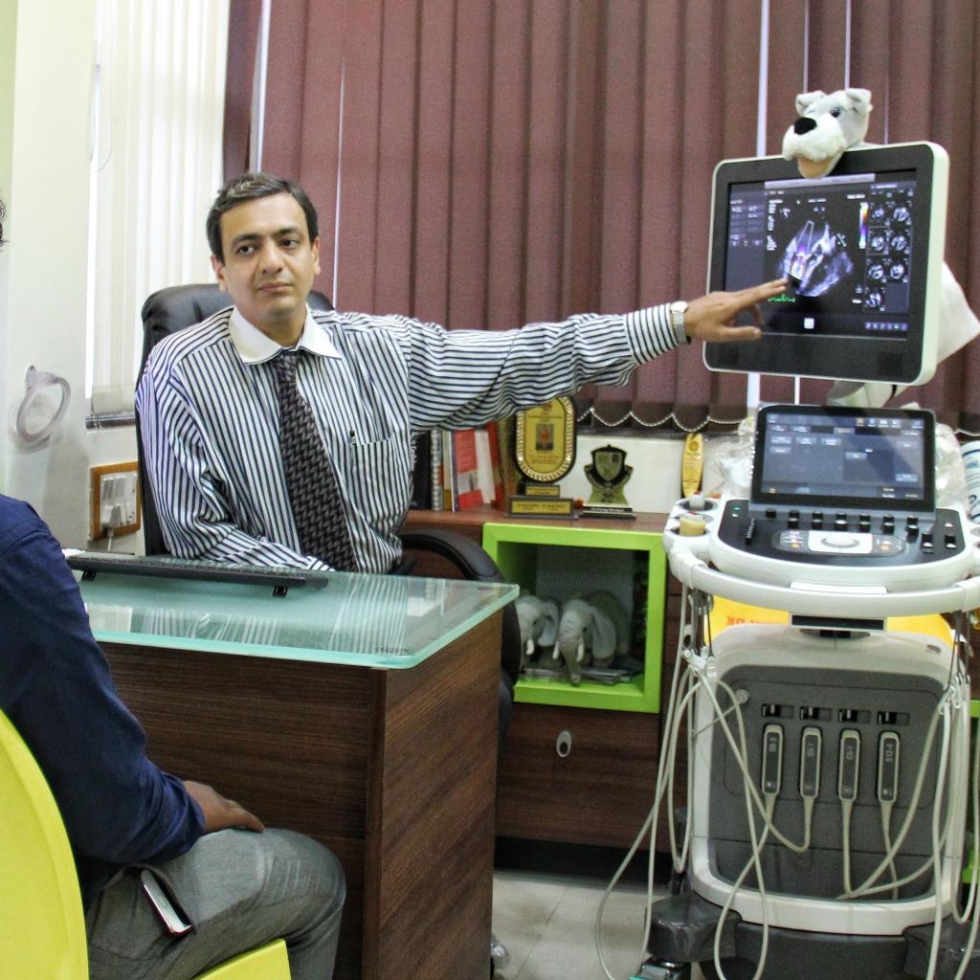
A 2D echocardiogram, commonly known as a 2D Echo, is a non-invasive diagnostic test that utilizes ultrasound technology to create detailed images of the heart’s structure and function. This imaging technique plays a pivotal role in cardiology, providing valuable insights into various cardiac conditions.
During a 2D Echo, high-frequency sound waves are directed toward the heart, and the echoes are transformed into real-time, two-dimensional images. These images allow healthcare professionals, particularly cardiologists, to assess the size, shape, and movement of the heart’s chambers, valves, and surrounding structures.
One of the key advantages of 2D Echo is its ability to visualize dynamic aspects of cardiac function. This includes the assessment of blood flow through the heart and identifying abnormalities such as valve disorders, congenital heart defects, and cardiac muscle dysfunction.
Helpful Links
Get in touch with us!
Contact: 7887830000/7410047378
Email:
info@suyoglifecare.com
Address:
Suyog Center 1 : Office No. 10, Suyog Center, Gultekdi, Market Yard Road, Pune – 411037
Suyog Center 2 : Office No. 27, Parshwa, Building Sujay, Garden Mukundnagar, Pune, Maharashtra, India, 411037