
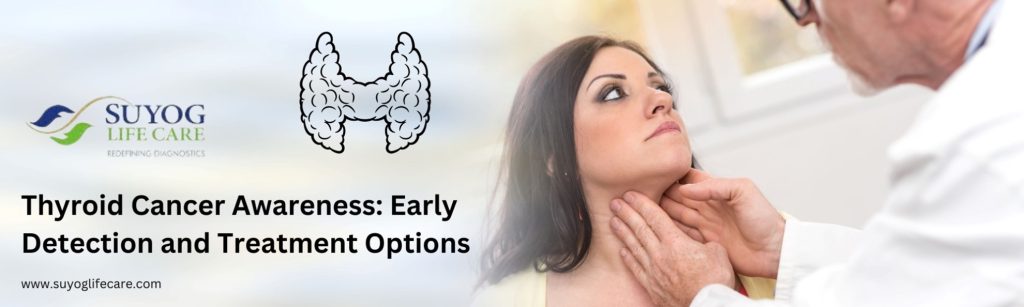
Thyroid Cancer Awareness: Early Detection and Treatment Options
Introduction:
Thyroid cancer is a relatively rare type of cancer that develops in the cells of the thyroid gland, a small gland located in the front of the neck. While thyroid cancer accounts for a small percentage of all cancer diagnoses, awareness of its symptoms, risk factors, and available treatment options is crucial for early detection and successful outcomes. In this blog, we’ll raise awareness about thyroid cancer, discuss the importance of early detection, and explore treatment options for individuals diagnosed with thyroid cancer.
- Understanding Thyroid Cancer:
– Thyroid cancer occurs when abnormal cells in the thyroid gland begin to grow uncontrollably, forming a tumor.
– There are several types of thyroid cancer, including papillary carcinoma (the most common type), follicular carcinoma, medullary carcinoma, and anaplastic carcinoma.
– Risk factors for thyroid cancer include a family history of thyroid cancer, radiation exposure to the head and neck during childhood, certain genetic syndromes, and being female.
- Signs and Symptoms:
– Thyroid cancer may not cause noticeable symptoms in its early stages, but as the tumor grows, individuals may experience symptoms such as a lump or swelling in the neck, difficulty swallowing, hoarseness, or changes in voice.
– Swollen lymph nodes in the neck, persistent cough unrelated to a cold, and difficulty breathing may also indicate advanced thyroid cancer.
- Early Detection:
– Regular self-exams of the neck to check for lumps or swelling and routine physical examinations by healthcare providers are essential for early detection of thyroid cancer.
– Diagnostic tests such as thyroid ultrasound, fine-needle aspiration biopsy (FNAB), and blood tests (thyroid function tests and thyroid antibodies) may be performed to evaluate thyroid nodules and assess the risk of malignancy.

- Treatment Options:
– Treatment for thyroid cancer depends on the type and stage of cancer, as well as individual factors such as age, overall health, and personal preferences.
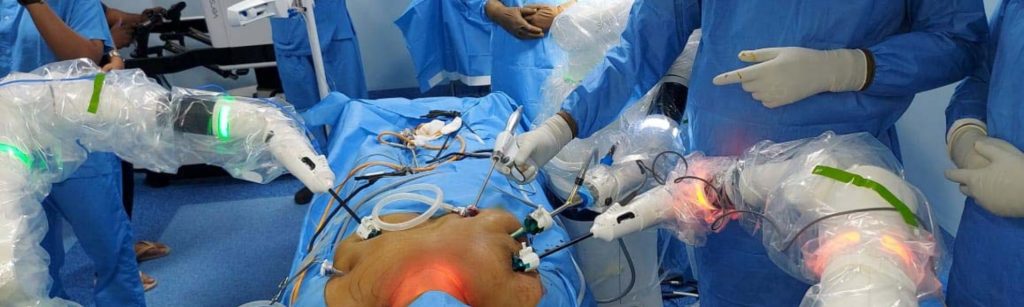
– Surgical removal of part or all of the thyroid gland (thyroidectomy) is the primary treatment for most types of thyroid cancer. Lymph node dissection may also be performed if cancer has spread to nearby lymph nodes.
– Additional treatments such as radioactive iodine therapy, external beam radiation therapy, targeted therapy, and chemotherapy may be recommended for certain types and stages of thyroid cancer.
- Prognosis and Follow-Up Care:
– The prognosis for thyroid cancer is generally favorable, with high survival rates, especially for early-stage thyroid cancer.
– Regular follow-up appointments with healthcare providers are essential after treatment to monitor for recurrence or metastasis, adjust thyroid hormone replacement therapy (if necessary), and address any long-term side effects or complications.
Conclusion:
Thyroid cancer awareness, early detection, and prompt treatment are critical for improving outcomes and ensuring the best possible quality of life for individuals diagnosed with thyroid cancer. By raising awareness, recognizing potential symptoms, and seeking timely medical evaluation and treatment, we can support early detection efforts and empower individuals to take control of their thyroid health.
Helpful Links
Get in touch with us!
Contact: 7887830000/7410047378
Email:
info@suyoglifecare.com
Address:
Suyog Center 1 : Office No. 10, Suyog Center, Gultekdi, Market Yard Road, Pune – 411037
Suyog Center 2 : Office No. 27, Parshwa, Building Sujay, Garden Mukundnagar, Pune, Maharashtra, India, 411037