
Breaking Down Continuous Glucose Monitoring (CGM) Technology: What You Need to Know
Introduction:
Continuous Glucose Monitoring (CGM) technology is a game-changer in diabetes management, providing real-time insights into blood sugar levels. This advanced technology has transformed the way individuals with diabetes monitor their glucose levels, offering greater convenience, accuracy, and control. In this blog, we’ll delve into the intricacies of CGM technology, exploring how it works and highlighting its benefits for better diabetes management.
- Understanding CGM Technology:
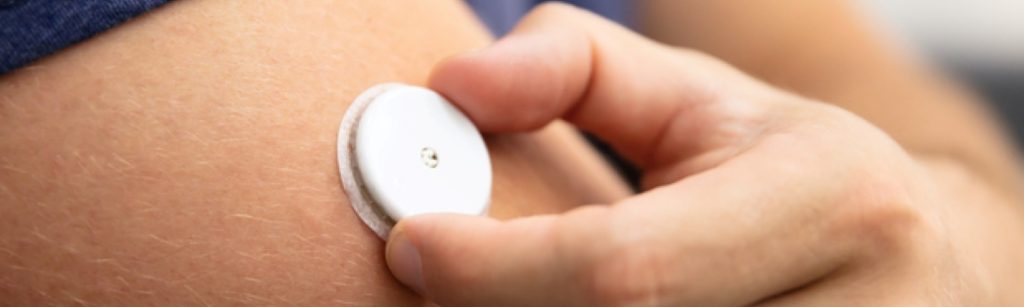
– CGM systems consist of a tiny sensor inserted under the skin, typically on the abdomen, that continuously measures glucose levels in the interstitial fluid.
– The sensor communicates wirelessly with a receiver or smartphone app, transmitting glucose readings every few minutes throughout the day and night.
– Users can set customizable high and low glucose alerts, allowing for proactive management of blood sugar levels and prevention of hypo- or hyperglycemia.
- Benefits of CGM Technology:
– Real-Time Insights: CGM provides real-time data on glucose trends, helping individuals make informed decisions about insulin dosing, diet, and lifestyle choices.
– Improved Glycemic Control: With continuous monitoring, individuals can better understand how their activities and food choices affect their blood sugar levels, leading to improved glycemic control.
– Reduced Hypoglycemia Risk: CGM systems offer early detection of low blood sugar levels, minimizing the risk of severe hypoglycemic events and improving overall safety.
- Types of CGM Systems:
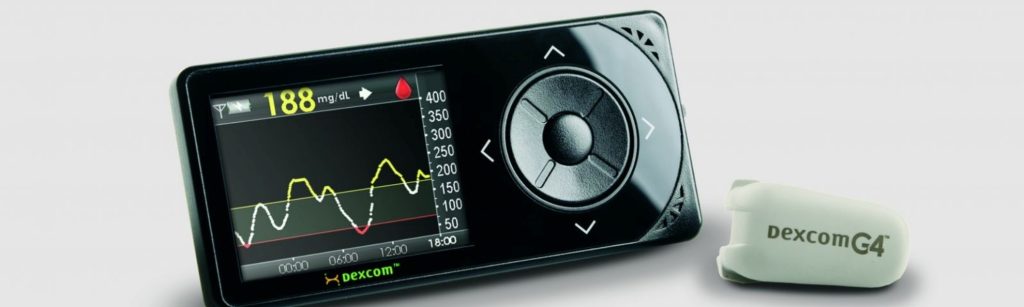
– Standalone CGM: These systems consist of a sensor, transmitter, and receiver, providing independent glucose monitoring without the need for an insulin pump.
– Integrated CGM: Some insulin pumps are integrated with CGM technology, allowing for seamless communication between the pump and sensor to adjust insulin delivery based on glucose trends.
- Tips for Using CGM Systems:
– Proper Sensor Placement: Ensure correct placement of the sensor on clean, dry skin to optimize accuracy and reliability of glucose readings.
– Calibration: Follow manufacturer guidelines for calibrating CGM sensors with fingerstick glucose measurements to maintain accuracy.
– Data Interpretation: Learn how to interpret CGM data, including understanding glucose patterns, trends, and the impact of factors like exercise and stress on blood sugar levels.
Conclusion:
Continuous Glucose Monitoring (CGM) technology is revolutionizing diabetes management, providing individuals with valuable insights into their blood sugar levels and empowering them to make informed decisions about their health. By understanding how CGM works, its benefits, and best practices for use, individuals with diabetes can take control of their condition and achieve better glycemic control for improved quality of life.
Helpful Links
Get in touch with us!
Contact: 7887830000/7410047378
Email:
info@suyoglifecare.com
Address:
Suyog Center 1 : Office No. 10, Suyog Center, Gultekdi, Market Yard Road, Pune – 411037
Suyog Center 2 : Office No. 27, Parshwa, Building Sujay, Garden Mukundnagar, Pune, Maharashtra, India, 411037