
Thyroid Nodules: What They Are and When to Seek Medical Attention

Introduction:
Thyroid nodules are common lumps or growths that develop within the thyroid gland, located in the front of the neck. While thyroid nodules are often benign (non-cancerous), they can sometimes indicate underlying thyroid conditions or, in rare cases, thyroid cancer. Understanding what thyroid nodules are and when to seek medical attention is crucial for early detection and appropriate management. In this blog, we’ll explore the characteristics of thyroid nodules, potential causes, and guidelines for seeking medical evaluation.
- Understanding Thyroid Nodules:
– Thyroid nodules are abnormal growths or lumps that form within the thyroid gland, which produces hormones that regulate metabolism and other bodily functions.
– Nodules may vary in size, shape, and texture and can be single or multiple. They may be detected during a routine physical exam or incidentally on imaging tests such as ultrasound or CT scan.
– While most thyroid nodules are benign and do not cause symptoms, some may grow larger over time, causing symptoms such as difficulty swallowing, hoarseness, or visible neck swelling.
- Causes of Thyroid Nodules:
– The exact cause of thyroid nodules is often unknown, but several factors may contribute to their development.
– Common causes include iodine deficiency, autoimmune thyroid disorders (such as Hashimoto’s thyroiditis), thyroid cysts, inflammation (thyroiditis), and benign thyroid tumors (adenomas).
– Certain risk factors, such as family history of thyroid nodules or thyroid cancer, exposure to radiation, age, and gender (women are more prone to thyroid nodules), may increase the likelihood of developing thyroid nodules.
- When to Seek Medical Attention:
– While most thyroid nodules are harmless, it’s essential to seek medical evaluation if you notice any concerning symptoms or changes in your neck.
– Consult with a healthcare provider if you experience difficulty swallowing, hoarseness, neck pain, or visible enlargement of the thyroid gland (goiter).
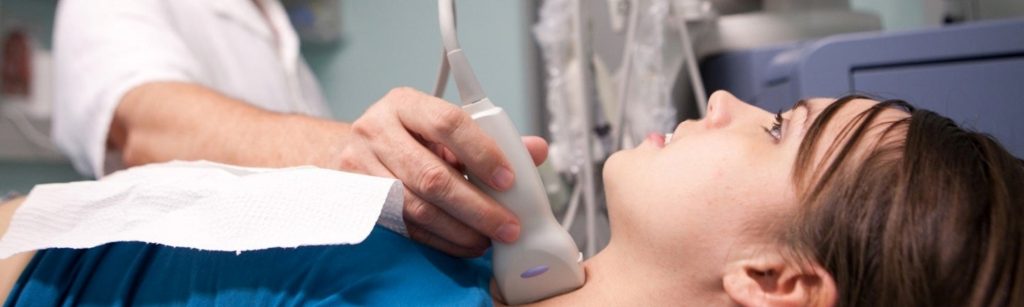
– If a thyroid nodule is discovered incidentally on imaging tests, your healthcare provider may recommend further evaluation, such as thyroid ultrasound or fine-needle aspiration biopsy, to assess the risk of malignancy.
- Diagnostic Evaluation:
– Diagnostic tests used to evaluate thyroid nodules may include thyroid ultrasound, which provides detailed images of the thyroid gland and nodules, and fine-needle aspiration biopsy (FNAB), which involves taking a sample of cells from the nodule for analysis.
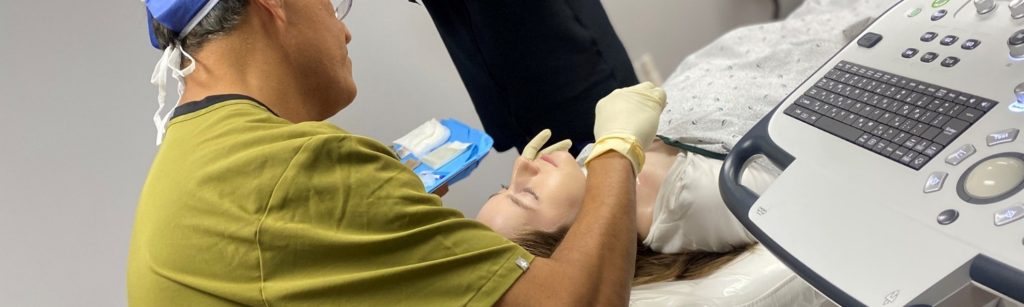
– FNAB is a minimally invasive procedure performed under ultrasound guidance and can help determine whether a nodule is benign or malignant, guiding further management decisions.
- Treatment Options:
– Treatment for thyroid nodules depends on various factors, including nodule size, symptoms, risk of malignancy, and patient preference.
– Options may include watchful waiting (monitoring the nodule over time), thyroid hormone therapy, minimally invasive procedures (such as radiofrequency ablation or ethanol ablation), or surgery (thyroidectomy) for larger nodules or those with concerning features.
Conclusion:
Thyroid nodules are common findings that may or may not require medical intervention. By understanding the characteristics of thyroid nodules, potential causes, and guidelines for seeking medical attention, individuals can take proactive steps to ensure early detection and appropriate management, ultimately promoting thyroid health and overall well-being.
Helpful Links
Get in touch with us!
Contact: 7887830000/7410047378
Email:
info@suyoglifecare.com
Address:
Office no.10 Suyog Center, Gultekdi, Market Yard Road, Pune-411037.